2026/11/14 09:00-10:30 Room 401
- Taiwan-Korea Stroke Research Forum
- Time
- Topic
- Speaker
- Moderator
- 09:00-09:20
- From Routine Images to Shared Evidence: The CRCS-K Imaging Repository and Prospects for Taiwan–Korea Collaboration
- SPEAKER:
Beom Joon Kim
Korea,South (南韓)
- MODERATOR:
Keun-Sik Hong
Korea,South (南韓)
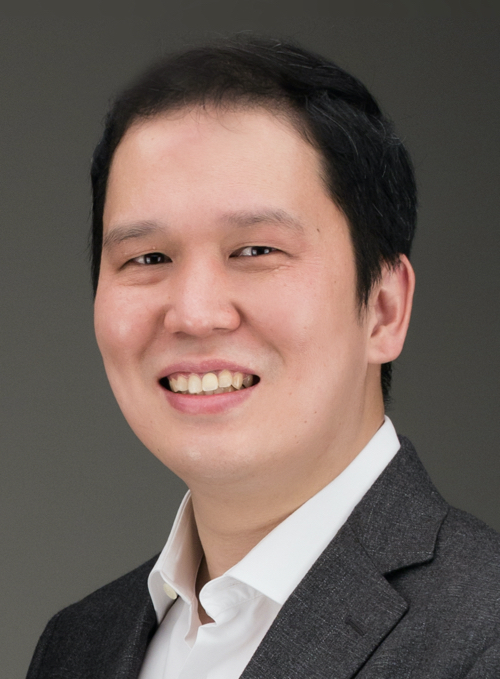
- Beom Joon Kim
- MD.PhD
-
Professor, Seoul National University Bundang Hospital
Lecture Abstract:
Background. Acute stroke imaging is acquired for nearly every patient, but conventional registries reduce it to a few categorical entries and discard most of the quantitative and spatial information that clinicians and algorithms could use.
The repository. The Clinical Research Collaboration for Stroke in Korea (CRCS-K) Imaging Repository archives all routine CT and MR examinations obtained during the index hospitalization, without protocol harmonization. Images are de-identified, quality-checked, classified by sequence, and quantified with AI modules; the resulting features are linked to the CRCS-K clinical registry. The first published analysis comprised 225,159 imaging sequences from 20,792 patients treated at 18 comprehensive stroke centers between June 2022 and May 2025, and the archive has since grown to more than 30,000 admissions from 20 centers.
What it has shown. Quantitative DWI volumetry and NCCT-ASPECTS do not identify the same patients as having a large core, and the discordant groups differ in outcome. Within large infarcts, net water uptake on NCCT is associated with catastrophic functional outcome after thrombectomy. Baseline NCCT biomarkers combined with clinical variables predicted parenchymal hematoma after reperfusion more accurately than the HAT and SEDAN scores. After complete recanalization, DWI lesion volume still increased in most patients, and early ADC reversal was associated with hemorrhage in severely injured tissue but with smaller final infarcts in moderately injured tissue. A target trial emulation suggested that the benefit of thrombectomy, evident between 50 and 110 mL, was no longer observed beyond 110 mL.
Toward collaboration. Each observation raises a question that a single national dataset cannot settle: whether measurement thresholds, model performance, and tissue-outcome relationships hold across scanners, populations, and practice patterns. I will close by describing a model of local processing with shared derivatives, under which Taiwanese and Korean centers could test these questions jointly while keeping source images under local governance.