
2026/11/15 11:10-11:30 Room 401
- 許重義教授論文講座
- Time
- Topic
- Speaker
- Moderator
- 11:10-11:30
- Seeing the Vessels, Understanding the Brain: My Two-Decade Journey in Cerebrovascular Research
- SPEAKER:
Chih-Ping Chung
鍾芷萍
Taiwan (台灣)
- MODERATOR:
Jiunn-Tay Lee
李俊泰
Taiwan (台灣)
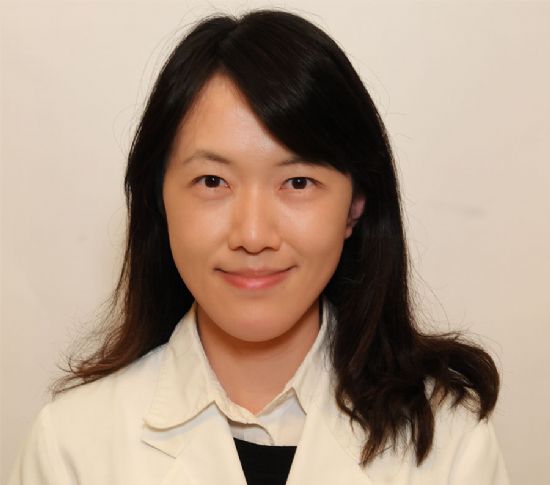
- Chih-Ping Chung
- MD PhD
-
Director, Stroke and Neurovascular Center, Taipei Veterans General Hospital
Professor, Department of Medicine, National Yang Ming Chiao Tung University
Lecture Abstract:
Cerebrovascular medicine has evolved from the clinical recognition of apoplexy to an increasingly precise understanding of vascular anatomy, hemodynamics, brain tissue injury, and individualized disease trajectories. This lecture reflects on this historical evolution through the perspective of my own two-decade journey in cerebrovascular research. Beginning with clinical observations of cerebral venous abnormalities and posterior circulation disorders, my early work was driven by a classical neurological approach: identifying unexplained clinical phenomena, developing mechanistic hypotheses, and using vascular imaging and physiological measurements to test them. Subsequent work shifted toward population-based aging research, where community cohorts and advanced neuroimaging enabled the investigation of covert cerebral small vessel disease, cerebral microbleeds, cognitive and physical decline, and the preclinical stages of vascular brain injury. More recently, our research has moved from population-level associations toward individualized brain health assessment by integrating quantitative MRI, machine learning, brain-age modeling, normative brain charts, and multimodal cerebrovascular markers. These approaches aim to characterize disease heterogeneity, identify individuals who deviate from healthy aging trajectories, and define windows for earlier intervention. Looking ahead, advances in artificial intelligence, multiomics, neurovascular biology, and precision medicine will further transform cerebrovascular research. Yet the central principle remains unchanged: meaningful research begins with careful observation of our patients, is guided by our identity as physicians, and should ultimately return to better diagnosis, prevention, and care.
Cerebrovascular medicine has evolved from the clinical recognition of apoplexy to an increasingly precise understanding of vascular anatomy, hemodynamics, brain tissue injury, and individualized disease trajectories. This lecture reflects on this historical evolution through the perspective of my own two-decade journey in cerebrovascular research. Beginning with clinical observations of cerebral venous abnormalities and posterior circulation disorders, my early work was driven by a classical neurological approach: identifying unexplained clinical phenomena, developing mechanistic hypotheses, and using vascular imaging and physiological measurements to test them. Subsequent work shifted toward population-based aging research, where community cohorts and advanced neuroimaging enabled the investigation of covert cerebral small vessel disease, cerebral microbleeds, cognitive and physical decline, and the preclinical stages of vascular brain injury. More recently, our research has moved from population-level associations toward individualized brain health assessment by integrating quantitative MRI, machine learning, brain-age modeling, normative brain charts, and multimodal cerebrovascular markers. These approaches aim to characterize disease heterogeneity, identify individuals who deviate from healthy aging trajectories, and define windows for earlier intervention. Looking ahead, advances in artificial intelligence, multiomics, neurovascular biology, and precision medicine will further transform cerebrovascular research. Yet the central principle remains unchanged: meaningful research begins with careful observation of our patients, is guided by our identity as physicians, and should ultimately return to better diagnosis, prevention, and care.