2026/11/14 17:00-18:00 Room 301
- Post-stroke disability
- Time
- Topic
- Speaker
- Moderator
- 17:40-18:00
- Moving Again: Motor Recovery and Spasticity Management
- SPEAKER:
Ting-Yu Chang
張庭瑜
Taiwan (台灣)
- MODERATOR:
Chaur-Jong Hu
胡朝榮
Taiwan (台灣)
Sheng-Feng Sung
宋昇峯
Taiwan (台灣)
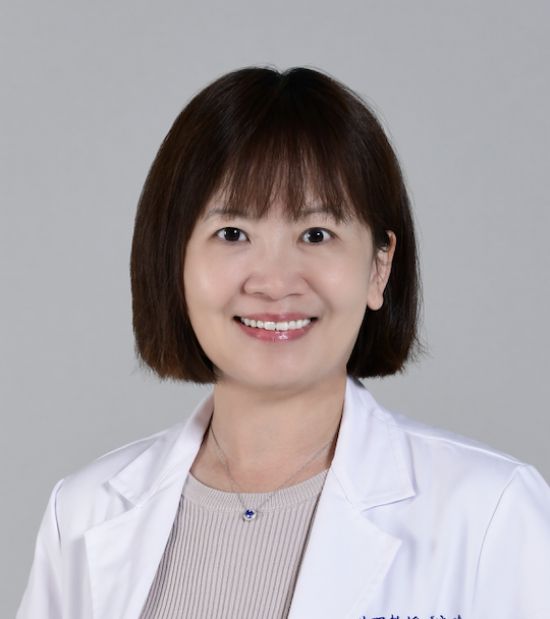
- Ting-Yu Chang
- MD
-
Attending Physician, Department of Neurology, Linkou Chang Gung Memorial Hospital
Director, Stroke Center, Linkou Chang Gung Memorial Hospital
Lecture Abstract:
Motor recovery after stroke involves both neurological improvement and management of complications affecting daily function. Post-stroke spasticity (PSS) can complicate rehabilitation, mobility, and caregiving. This presentation combines preliminary findings from our post-stroke disability registry with clinical examples of individualized spasticity treatment.
The T-PODS registry findings will highlight motor recovery and the evolution of spasticity during the first three months after stroke. Preliminary observations reveal distinct patterns of incident, persistent, and resolving spasticity, underscoring the importance of longitudinal assessment. Patients with incident or persistent PSS generally exhibit greater disability, poorer walking ability, and more depressive symptoms. These findings draw attention to the relationship between motor impairment, emotional well-being, and quality of life.
Furthermore, this review introduces practical approaches to PSS recognition, assessment, and management, with a focus on botulinum toxin treatment. Key considerations include patient selection, identification of problematic muscle patterns, and individualized goal setting. Selected treatment videos will illustrate successful clinical responses and the importance of evaluating outcomes beyond muscle tone, including comfort, limb positioning, ease of care, and relevant daily activities.