2026/11/14 17:00-18:00 Room 301
- Post-stroke disability
- Time
- Topic
- Speaker
- Moderator
- 17:20-17:40
- Swallowing Matters: Dysphagia and Its Clinical Impac
- SPEAKER:
Hui-Chen Su
蘇慧真
Taiwan (台灣)
- MODERATOR:
Chaur-Jong Hu
胡朝榮
Taiwan (台灣)
Sheng-Feng Sung
宋昇峯
Taiwan (台灣)
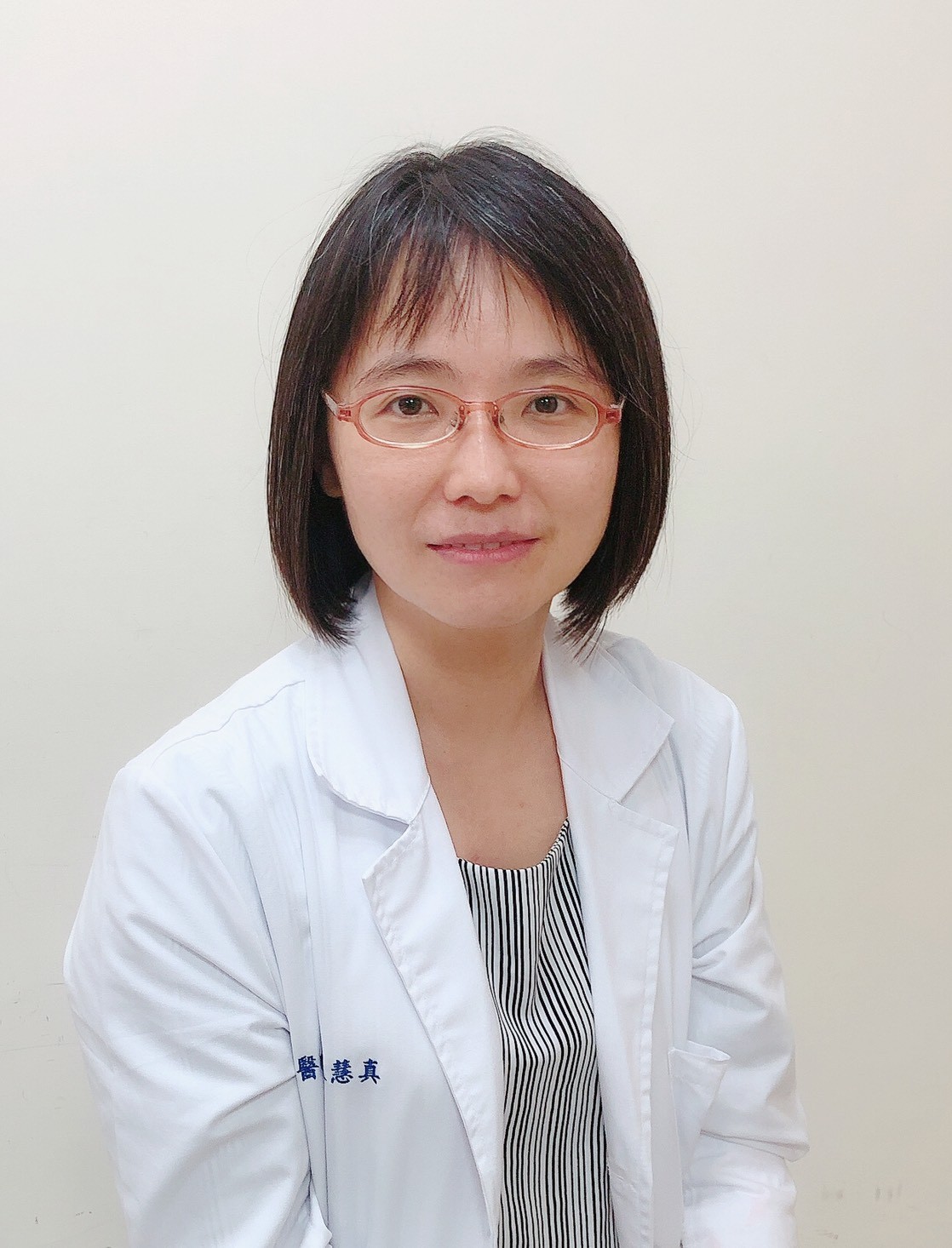
- Hui-Chen Su
- MD
-
Attending Physician, Neurology Department, National Cheng Kung University hospital
Director, Chewing and swallowing Center, NCKUH
E-mail:shjmirage@gmail.com
Executive Summary:
Hui-Chen Su, MD
Attending Physician, Department of Neurology, National Cheng Kung University Hospital
PhD Candidate in Institute of Allied Health Sciences, College of Medicine, National Cheng Kung University
Executive Summary
I am an attending neurologist at National Cheng Kung University Hospital in Tainan, Taiwan. Since 2022, I am training in health and integrated care and is currently a PhD candidate. My clinical and academic work focuses on integrated care of neurological disorders, stroke, dysphagia, and the assessment and management of chewing and swallowing dysfunction.
Since 2020, I has led the Chewing and Swallowing Center and the specialized swallowing clinic at NCKUH. I had developed a comprehensive care pathway stroke-related dysphagia, integrating early screening, precise functional assessment, individualized treatment, and longitudinal follow-up. The program also includes structured swallowing care for stroke patients receiving post-acute care, with particular attention to identifying patients at risk of poor recovery and optimizing their rehabilitation strategies.
Our multidisciplinary swallowing-care team has received multiple quality-improvement awards and Symbol of National Quality (SNQ) recognition. These achievements reflect her commitment to translating clinical evidence into standardized workflows and measurable improvements in patient care, especially in neurogenic dysphagia patients.
I also collaborates closely with engineering teams to develop innovative devices and technologies for swallowing assessment and rehabilitation. My recent research integrates clinical neurology, swallowing physiology, medical imaging, digital-twin modeling, and artificial intelligence to enable objective quantification of tongue motion and oral-phase function.
My long-term goal is to establish an integrated and personalized care model for neurogenic dysphagia—from early risk identification and precise assessment to targeted rehabilitation and long-term monitoring—and to improve functional outcomes and quality of life for patients with neurological disease.
Hui-Chen Su, MD
Attending Physician, Department of Neurology, National Cheng Kung University Hospital
PhD Candidate in Institute of Allied Health Sciences, College of Medicine, National Cheng Kung University
Executive Summary
I am an attending neurologist at National Cheng Kung University Hospital in Tainan, Taiwan. Since 2022, I am training in health and integrated care and is currently a PhD candidate. My clinical and academic work focuses on integrated care of neurological disorders, stroke, dysphagia, and the assessment and management of chewing and swallowing dysfunction.
Since 2020, I has led the Chewing and Swallowing Center and the specialized swallowing clinic at NCKUH. I had developed a comprehensive care pathway stroke-related dysphagia, integrating early screening, precise functional assessment, individualized treatment, and longitudinal follow-up. The program also includes structured swallowing care for stroke patients receiving post-acute care, with particular attention to identifying patients at risk of poor recovery and optimizing their rehabilitation strategies.
Our multidisciplinary swallowing-care team has received multiple quality-improvement awards and Symbol of National Quality (SNQ) recognition. These achievements reflect her commitment to translating clinical evidence into standardized workflows and measurable improvements in patient care, especially in neurogenic dysphagia patients.
I also collaborates closely with engineering teams to develop innovative devices and technologies for swallowing assessment and rehabilitation. My recent research integrates clinical neurology, swallowing physiology, medical imaging, digital-twin modeling, and artificial intelligence to enable objective quantification of tongue motion and oral-phase function.
My long-term goal is to establish an integrated and personalized care model for neurogenic dysphagia—from early risk identification and precise assessment to targeted rehabilitation and long-term monitoring—and to improve functional outcomes and quality of life for patients with neurological disease.
Lecture Abstract:
Dysphagia is a frequent and clinically important complication of stroke. Its consequences extend beyond aspiration pneumonia and include malnutrition, dehydration, prolonged hospitalization, reduced participation in rehabilitation, institutionalization, and impaired quality of life. Because swallowing function can change throughout stroke recovery, dysphagia management requires more than a single bedside examination. A structured pathway integrating early screening, precise assessment, individualized intervention, and longitudinal reassessment is essential.
This presentation will review the clinical impact of post-stroke dysphagia and describe an integrated swallowing-care model developed at National Cheng Kung University Hospital. The model begins with standardized early screening, followed by comprehensive clinical and instrumental assessment when indicated. Findings are translated into individualized dietary recommendations, compensatory strategies, and task-specific swallowing rehabilitation. Close collaboration among neurologists, rehabilitation professionals, nurses, dietitians, and swallowing specialists supports continuity of care from the acute stage through post-acute rehabilitation.
Particular attention will be given to stroke patients receiving post-acute care (PAC). Although many patients demonstrate meaningful improvement after structured rehabilitation, a subgroup shows limited swallowing recovery. Our PAC cohort study examines clinical factors associated with poor rehabilitation response and explores how early risk stratification may identify patients who require more intensive assessment, modified therapeutic strategies, or extended follow-up. Recognizing these patients early may improve treatment planning, facilitate communication with patients and families, and support more efficient allocation of rehabilitation resources.
The presentation will also discuss current limitations in swallowing assessment and emerging approaches for objective functional quantification. Interdisciplinary collaboration with engineering teams offers opportunities to develop devices and digital tools that complement conventional clinical and instrumental examinations.
Ultimately, effective dysphagia care should move beyond detecting aspiration alone. By combining systematic screening, precise functional assessment, risk-informed rehabilitation, and longitudinal monitoring, clinicians can better address the complex impact of post-stroke dysphagia and promote safer swallowing, improved nutrition, greater rehabilitation participation, and better patient-centered outcomes.
Dysphagia is a frequent and clinically important complication of stroke. Its consequences extend beyond aspiration pneumonia and include malnutrition, dehydration, prolonged hospitalization, reduced participation in rehabilitation, institutionalization, and impaired quality of life. Because swallowing function can change throughout stroke recovery, dysphagia management requires more than a single bedside examination. A structured pathway integrating early screening, precise assessment, individualized intervention, and longitudinal reassessment is essential.
This presentation will review the clinical impact of post-stroke dysphagia and describe an integrated swallowing-care model developed at National Cheng Kung University Hospital. The model begins with standardized early screening, followed by comprehensive clinical and instrumental assessment when indicated. Findings are translated into individualized dietary recommendations, compensatory strategies, and task-specific swallowing rehabilitation. Close collaboration among neurologists, rehabilitation professionals, nurses, dietitians, and swallowing specialists supports continuity of care from the acute stage through post-acute rehabilitation.
Particular attention will be given to stroke patients receiving post-acute care (PAC). Although many patients demonstrate meaningful improvement after structured rehabilitation, a subgroup shows limited swallowing recovery. Our PAC cohort study examines clinical factors associated with poor rehabilitation response and explores how early risk stratification may identify patients who require more intensive assessment, modified therapeutic strategies, or extended follow-up. Recognizing these patients early may improve treatment planning, facilitate communication with patients and families, and support more efficient allocation of rehabilitation resources.
The presentation will also discuss current limitations in swallowing assessment and emerging approaches for objective functional quantification. Interdisciplinary collaboration with engineering teams offers opportunities to develop devices and digital tools that complement conventional clinical and instrumental examinations.
Ultimately, effective dysphagia care should move beyond detecting aspiration alone. By combining systematic screening, precise functional assessment, risk-informed rehabilitation, and longitudinal monitoring, clinicians can better address the complex impact of post-stroke dysphagia and promote safer swallowing, improved nutrition, greater rehabilitation participation, and better patient-centered outcomes.