
2026/11/14 17:00-18:00 Room 301
- Post-stroke disability
- Time
- Topic
- Speaker
- Moderator
- 17:00-17:20
- Thinking After Stroke: Cognitive Impairment and Recovery
- SPEAKER:
Jia-Hung Chen
陳嘉泓
Taiwan (台灣)
- MODERATOR:
Chaur-Jong Hu
胡朝榮
Taiwan (台灣)
Sheng-Feng Sung
宋昇峯
Taiwan (台灣)
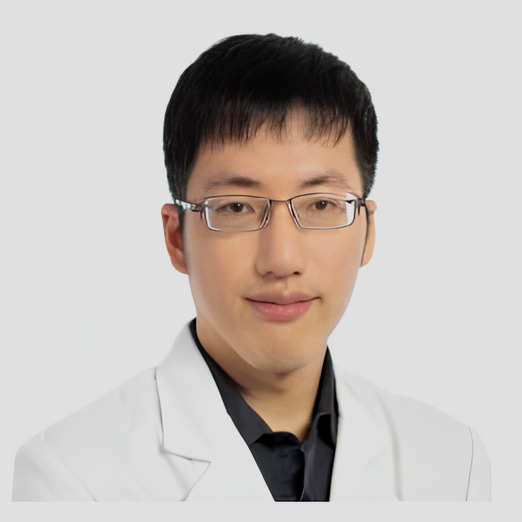
- Jia-Hung Chen
- MD
-
Attending Physician, Taipei Medical University - Shuang Ho Hospital
E-mail:gary.320@hotmail.com
Executive Summary:
Dr. Chen received his medical degree from National Yang Ming University and completed his neurology specialist training at Shuang-Ho Hospital, Taipei Medical University. He currently serves as Director of the Stroke Center at Shuang-Ho Hospital and as an Assistant Professor at Taipei Medical University. His clinical and research interests focus primarily on stroke, endovascular thrombectomy, and cerebrovascular disease, with additional interests in Parkinson’s disease and transcranial magnetic stimulation.
Dr. Chen received his medical degree from National Yang Ming University and completed his neurology specialist training at Shuang-Ho Hospital, Taipei Medical University. He currently serves as Director of the Stroke Center at Shuang-Ho Hospital and as an Assistant Professor at Taipei Medical University. His clinical and research interests focus primarily on stroke, endovascular thrombectomy, and cerebrovascular disease, with additional interests in Parkinson’s disease and transcranial magnetic stimulation.
Lecture Abstract:
Cognitive impairment is one of the most common and clinically important consequences of stroke, yet it remains less visible and often underrecognized compared with motor or language deficits. After stroke, patients may experience difficulties with attention, memory, executive function, processing speed, visuospatial abilities, or social cognition, which can persist even when physical recovery appears satisfactory. These cognitive changes can profoundly affect independence, quality of life, return to work, medication adherence, and the ability to participate in rehabilitation. Importantly, cognitive outcomes after stroke are highly heterogeneous. Recovery is influenced not only by the location and severity of the acute lesion, but also by age, vascular risk factors, cerebral small-vessel disease, pre-existing cognitive reserve, brain network integrity, and the capacity for neuroplasticity. The trajectory may therefore range from substantial recovery to persistent cognitive impairment or progressive post-stroke cognitive decline. Understanding these mechanisms provides an opportunity to move beyond simply treating the acute stroke toward protecting long-term brain health. Early identification of patients at risk, systematic cognitive assessment, effective secondary prevention, targeted rehabilitation, and emerging approaches to enhance neuroplasticity may ultimately help transform cognitive recovery from an overlooked outcome into a central goal of stroke care.
Cognitive impairment is one of the most common and clinically important consequences of stroke, yet it remains less visible and often underrecognized compared with motor or language deficits. After stroke, patients may experience difficulties with attention, memory, executive function, processing speed, visuospatial abilities, or social cognition, which can persist even when physical recovery appears satisfactory. These cognitive changes can profoundly affect independence, quality of life, return to work, medication adherence, and the ability to participate in rehabilitation. Importantly, cognitive outcomes after stroke are highly heterogeneous. Recovery is influenced not only by the location and severity of the acute lesion, but also by age, vascular risk factors, cerebral small-vessel disease, pre-existing cognitive reserve, brain network integrity, and the capacity for neuroplasticity. The trajectory may therefore range from substantial recovery to persistent cognitive impairment or progressive post-stroke cognitive decline. Understanding these mechanisms provides an opportunity to move beyond simply treating the acute stroke toward protecting long-term brain health. Early identification of patients at risk, systematic cognitive assessment, effective secondary prevention, targeted rehabilitation, and emerging approaches to enhance neuroplasticity may ultimately help transform cognitive recovery from an overlooked outcome into a central goal of stroke care.