
2026/11/14 13:30-15:00 Room 301
- Heart-Brain Interaction
- Time
- Topic
- Speaker
- Moderator
- 14:30-14:50
- PFO and Stroke: Classification, Characteristics, and Interventional Treatment
- SPEAKER:
Ming-Chih Lin
林明志
Taiwan (台灣)
- MODERATOR:
Tsong-Hai Lee
李宗海
Taiwan (台灣)
Ruey-Tay Lin
林瑞泰
Taiwan (台灣)
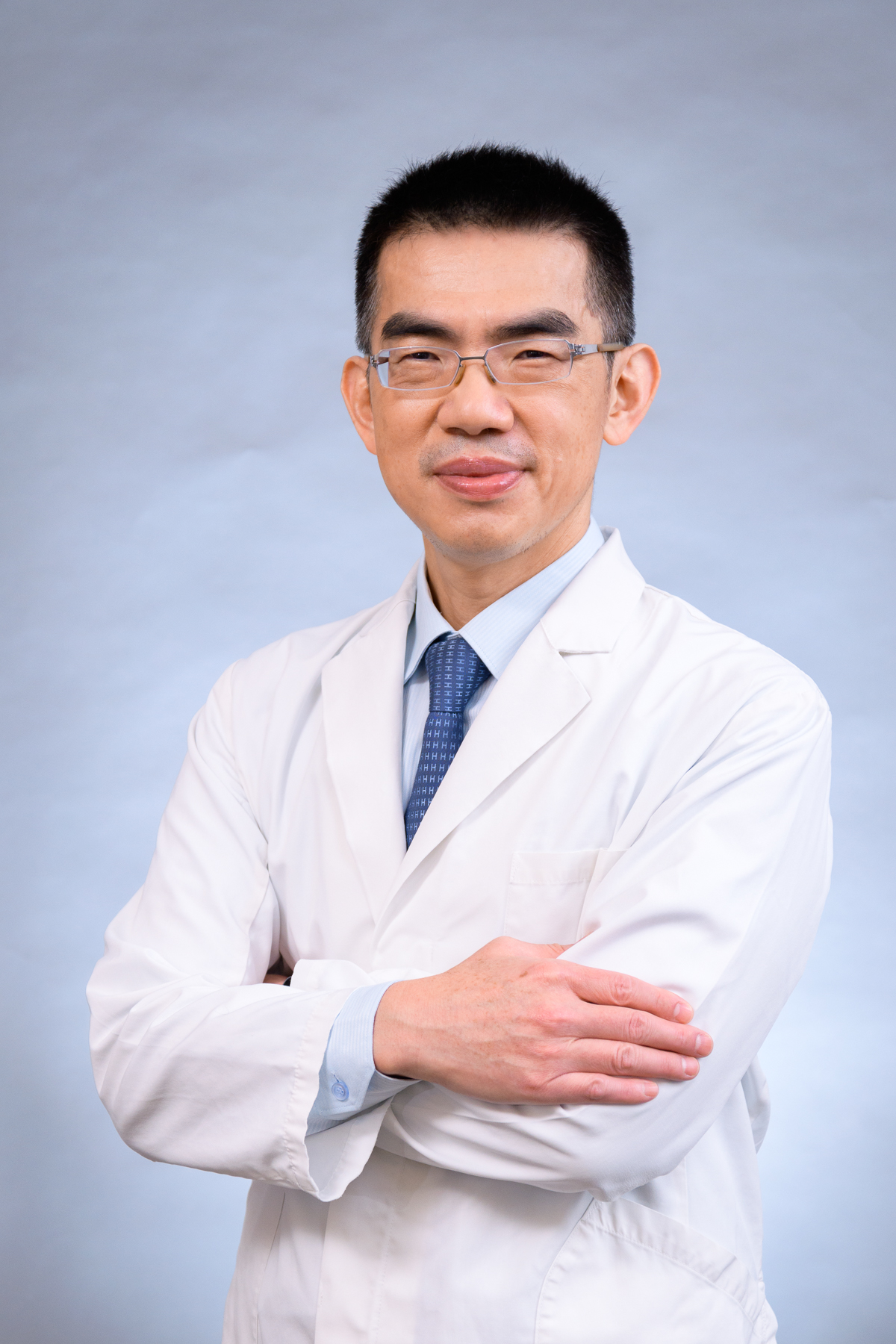
- Ming-Chih Lin
- MD. PhD.
-
Professor, Department of Post-Baccalaureate Medicine, National Chung Hsing University, Taichung, Taiwan
Attending physician, Children's Medical Center, Taichung Veterans General Hospital, Taichung, Taiwan
E-mail:mingclin@gmail.com
Executive Summary:
Dr. Ming-Chih Lin received his MD from National Yang-Ming University and PhD in Epidemiology from National Taiwan University, Taipei, Taiwan. He is currently a Professor at National Chung Hsing University and an Attending Physician at the Children’s Medical Center, Taichung Veterans General Hospital. After completing his military service as a Second Lieutenant in the Marine Corps of Taiwan, Dr. Lin undertook residency training at Taichung Veterans General Hospital, where he also completed fellowships in neonatology and pediatric cardiology. His research focuses on pediatric cardiology, neonatology, epidemiology, critical care, pharmacoepidemiology, and claims data analysis. He has published more than 50 peer-reviewed articles in international journals and has received multiple national and international awards for his contributions to pediatric medicine.
Dr. Ming-Chih Lin received his MD from National Yang-Ming University and PhD in Epidemiology from National Taiwan University, Taipei, Taiwan. He is currently a Professor at National Chung Hsing University and an Attending Physician at the Children’s Medical Center, Taichung Veterans General Hospital. After completing his military service as a Second Lieutenant in the Marine Corps of Taiwan, Dr. Lin undertook residency training at Taichung Veterans General Hospital, where he also completed fellowships in neonatology and pediatric cardiology. His research focuses on pediatric cardiology, neonatology, epidemiology, critical care, pharmacoepidemiology, and claims data analysis. He has published more than 50 peer-reviewed articles in international journals and has received multiple national and international awards for his contributions to pediatric medicine.
Lecture Abstract:
Patent Foramen Ovale (PFO) is a primary cause of cryptogenic stroke. Landmark clinical trials such as RESPECT, CLOSE, GORE REDUCE, and DEFENSE-PFO prove that transcatheter PFO closure provides superior secondary stroke prevention compared to medical therapy alone. Candidate selection hinges on precise anatomic classification and risk stratification. High-risk anatomical features, notably large right-to-left shunts and atrial septal aneurysms (ASA), substantially increase recurrence risk and predict maximum benefit from transcatheter closure. Structured tools like the PASCAL classification system (combining RoPE scores with high-risk anatomy) and DEFENSE-PFO criteria (evaluating PFO size, septal mobility, and tunnel length) guide intervention decisions. Detecting these anatomical features requires sensitive diagnostics, where microbubble testing with the Valsalva maneuver delivers 94% sensitivity. Real-world experience from the multidisciplinary Brain-Heart Team at Taichung Veterans General Hospital confirms that transcatheter closure achieves high procedural success, minimal complications, and sustained risk reduction. These clinical benefits extend across demographics, including elderly patients (>60 years) with high-risk anatomy. Transcatheter PFO closure is highly effective for secondary stroke prevention, and systematic anatomic classification focused on shunt magnitude and septal aneurysm features is essential to optimize candidate selection and patient outcomes.
Patent Foramen Ovale (PFO) is a primary cause of cryptogenic stroke. Landmark clinical trials such as RESPECT, CLOSE, GORE REDUCE, and DEFENSE-PFO prove that transcatheter PFO closure provides superior secondary stroke prevention compared to medical therapy alone. Candidate selection hinges on precise anatomic classification and risk stratification. High-risk anatomical features, notably large right-to-left shunts and atrial septal aneurysms (ASA), substantially increase recurrence risk and predict maximum benefit from transcatheter closure. Structured tools like the PASCAL classification system (combining RoPE scores with high-risk anatomy) and DEFENSE-PFO criteria (evaluating PFO size, septal mobility, and tunnel length) guide intervention decisions. Detecting these anatomical features requires sensitive diagnostics, where microbubble testing with the Valsalva maneuver delivers 94% sensitivity. Real-world experience from the multidisciplinary Brain-Heart Team at Taichung Veterans General Hospital confirms that transcatheter closure achieves high procedural success, minimal complications, and sustained risk reduction. These clinical benefits extend across demographics, including elderly patients (>60 years) with high-risk anatomy. Transcatheter PFO closure is highly effective for secondary stroke prevention, and systematic anatomic classification focused on shunt magnitude and septal aneurysm features is essential to optimize candidate selection and patient outcomes.