
2026/11/14 13:30-15:00 Room 301
- Heart-Brain Interaction
- Time
- Topic
- Speaker
- Moderator
- 13:30-13:50
- Heart-Brain Interaction in Stroke
- SPEAKER:
Chi-Sheng Wang
王其聖
Taiwan (台灣)
- MODERATOR:
Tsong-Hai Lee
李宗海
Taiwan (台灣)
Ruey-Tay Lin
林瑞泰
Taiwan (台灣)
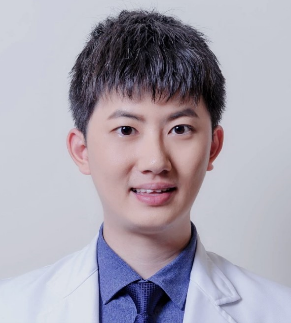
- Chi-Sheng Wang
- MD
-
Attending doctor, Division of Neurology, Neurological Institute, Taichung Veterans General Hospital
PhD student, Institute of Brain Science, College of Medicine, National Yang Ming Chiao Tung University
E-mail:sam7227632@gmail.com
Lecture Abstract:
The heart and brain are closely linked to both the occurrence and recurrence of ischemic stroke. Cardiac abnormalities may be an obvious cause of stroke, but they may also remain hidden after routine evaluation and contribute to strokes initially classified as embolic stroke of undetermined source (ESUS). In addition, many patients have more than one potential mechanism, highlighting the need to consider cardiac factors as part of a broader stroke evaluation.
Prolonged cardiac monitoring is increasingly important for detecting occult atrial fibrillation and other clinically relevant arrhythmias that may be missed by conventional short-term monitoring. At Taichung Veterans General Hospital, 30-day external cardiac monitoring has been incorporated into the evaluation of selected patients with ESUS. Patent foramen ovale is another important cardiac mechanism, and its clinical relevance depends on age, competing stroke causes, and high-risk anatomical features. Its role in older patients remains an important area of ongoing research.
Advanced cardiac imaging can further improve the evaluation of possible cardiac causes of stroke. Transesophageal echocardiography provides detailed assessment of the atrial septum, left atrial appendage, valves, and aortic arch. Emerging cardiac CT techniques may also enable earlier detection of cardioaortic thrombi. Cardiac MRI offers additional information on myocardial injury, ventricular function, and potentially left atrial structural and functional abnormalities that may not be fully captured by routine echocardiography.
In conclusion, prolonged rhythm monitoring, PFO evaluation, and advanced cardiac imaging may help reveal cardiac mechanisms that are otherwise overlooked, improve stroke classification, guide secondary prevention, and open new directions for research on heart–brain interaction in stroke.
The heart and brain are closely linked to both the occurrence and recurrence of ischemic stroke. Cardiac abnormalities may be an obvious cause of stroke, but they may also remain hidden after routine evaluation and contribute to strokes initially classified as embolic stroke of undetermined source (ESUS). In addition, many patients have more than one potential mechanism, highlighting the need to consider cardiac factors as part of a broader stroke evaluation.
Prolonged cardiac monitoring is increasingly important for detecting occult atrial fibrillation and other clinically relevant arrhythmias that may be missed by conventional short-term monitoring. At Taichung Veterans General Hospital, 30-day external cardiac monitoring has been incorporated into the evaluation of selected patients with ESUS. Patent foramen ovale is another important cardiac mechanism, and its clinical relevance depends on age, competing stroke causes, and high-risk anatomical features. Its role in older patients remains an important area of ongoing research.
Advanced cardiac imaging can further improve the evaluation of possible cardiac causes of stroke. Transesophageal echocardiography provides detailed assessment of the atrial septum, left atrial appendage, valves, and aortic arch. Emerging cardiac CT techniques may also enable earlier detection of cardioaortic thrombi. Cardiac MRI offers additional information on myocardial injury, ventricular function, and potentially left atrial structural and functional abnormalities that may not be fully captured by routine echocardiography.
In conclusion, prolonged rhythm monitoring, PFO evaluation, and advanced cardiac imaging may help reveal cardiac mechanisms that are otherwise overlooked, improve stroke classification, guide secondary prevention, and open new directions for research on heart–brain interaction in stroke.