
2026/11/15 12:00-13:00 Room ROOM 402D
- 午餐議程-安沛:
安沛國際有限公司
安沛國際有限公司
- Time
- Topic
- Speaker
- Moderator
- 12:10-12:50
- Tirofiban in Acute Ischemic Stroke : From Evidence to Bedside Decisions (Tirofiban在急性缺血性中風的應用: 從實證醫學到臨床決策)
- SPEAKER:
Chih-Hao Chen
陳志昊
Taiwan (台灣)
- MODERATOR:
Jiann-Shing Jeng
鄭建興
Taiwan (台灣)
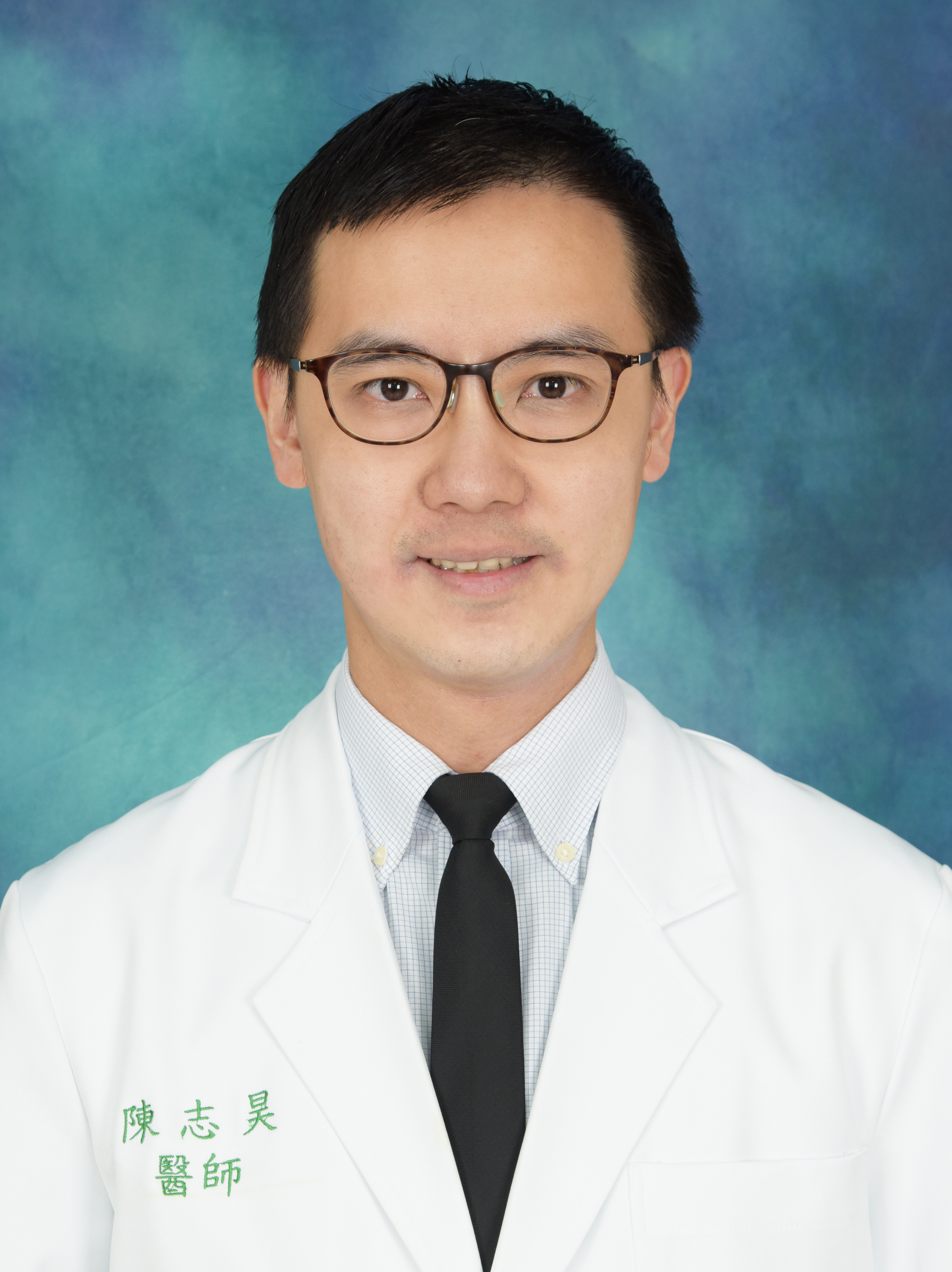
- Chih-Hao Chen
- MD, PhD
-
Physician, Department of Neurology, National Taiwan University Hospital
Lecture Abstract:
For three decades, antiplatelet and anticoagulant agents have been withheld for 24 hours after intravenous thrombolysis (IVT). This convention originated as a safety provision in the NINDS protocol and has never been directly tested in a randomized trial, yet early reocclusion and early neurological deterioration occur most often within this interval. Alteplase has a plasma half-life of only a few minutes and tenecteplase is cleared within hours, so the rule is more conservative than the pharmacokinetics require.
The first generation of trials gave an antithrombotic agent while thrombolysis was still running, and consistently failed, with excess hemorrhage or mortality in some of them. Over the past two years, several large randomized trials have moved administration to after completion of thrombolysis and restricted enrollment to non-cardioembolic stroke, and a number of these have been positive. Two distinct strategies have emerged: treating every patient who meets the trial entry phenotype within the first hour, and a response-guided approach that treats only those who deteriorate or fail to improve between 4 and 24 hours. A recent meta-analysis restricted to randomized trials nevertheless remained neutral overall, and trial sequential analysis indicates that the evidence is still inconclusive.
This lecture will review these recent trials, the specific clinical settings in which each of them applies, and how the two strategies might be used in Taiwan.