
2026/11/14 16:10-16:50 Room 401
- Keynote 3
- Time
- Topic
- Speaker
- Moderator
- 16:10-16:50
- CADASIL
- SPEAKER:
Hugues Chabriat
France (法國)
- MODERATOR:
Jiann-Shing Jeng
鄭建興
Taiwan (台灣)
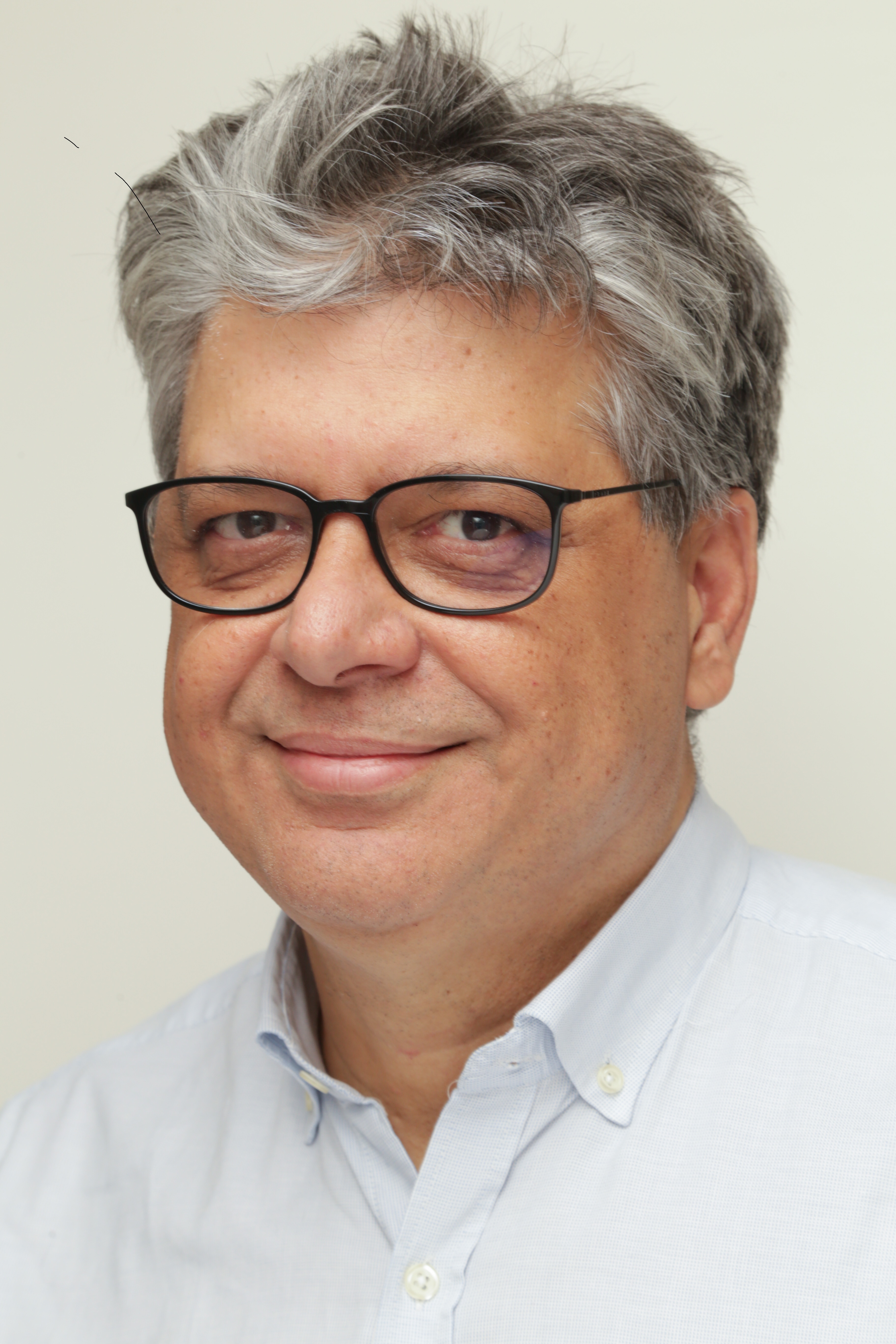
- Hugues Chabriat
- MD, PhD
-
Professor of Neurology, Université Paris Cité
Chair of the Translational Neurovascular Centre and Coordinator of the French Centre for rare cerebrovascular diseases , Hopital Lariboisiére, Assistance Publique des Hôpitaux de Paris (APHP)
Co-Head of the Research Team GENOVASC, INSERM U1127 and Paris Brain Institute
E-mail:hugues.chabriat@aphp.fr
Lecture Abstract:
CADASIL as a Prototype for Precision Clinical Trials in Cerebral Small Vessel Disease
CADASIL provides a particularly informative model for rethinking clinical trials in cerebral small vessel disease (CSVD). As a monogenic disorder with a relatively homogeneous underlying cause, it offers a setting in which disease mechanisms, biomarkers, prognostic markers, and treatment effects can be studied with greater precision than in the more heterogeneous forms of sporadic CSVD.
The ability to capture disease progression over relatively short time frames across several clinical and imaging domains will be discussed, including incident stroke, disability, cognition, brain atrophy, white matter hyperintensities, lacunes, and diffusion MRI abnormalities. Attention will be given to the relative sensitivity of these outcomes, as MRI-based measures appear more responsive to change than cognitive endpoints, which generally evolve more slowly and may require larger samples and longer follow-up to demonstrate treatment effects.
The potential contribution of brain imaging to prognostic enrichment and risk stratification will also be considered. Baseline lesion burden, diffusion abnormalities, brain atrophy, and other MRI markers associated with subsequent progression may help identify participants most likely to experience measurable change during the course of a trial. Mechanistic vascular endpoints, including cerebrovascular reactivity, cerebral blood flow, arterial stiffness, and advanced MRI measures, may also become potential markers associated with disease progression.
Finally, the value of broadening trial assessment beyond imaging and clinician-rated measures will be discussed. Patient-reported outcomes may capture important dimensions of disease, including fatigue, cognitive slowing, memory difficulties, gait impairment, motor symptoms, and emotional burden, which are not always adequately represented by standard outcome measures.
Taken together, these different approaches suggest that CADASIL may serve as a prototype for more precise and efficient CSVD trials, combining genetic enrichment, prognostic stratification, multimodal imaging, vascular physiology, and patient-centered outcomes.
CADASIL as a Prototype for Precision Clinical Trials in Cerebral Small Vessel Disease
CADASIL provides a particularly informative model for rethinking clinical trials in cerebral small vessel disease (CSVD). As a monogenic disorder with a relatively homogeneous underlying cause, it offers a setting in which disease mechanisms, biomarkers, prognostic markers, and treatment effects can be studied with greater precision than in the more heterogeneous forms of sporadic CSVD.
The ability to capture disease progression over relatively short time frames across several clinical and imaging domains will be discussed, including incident stroke, disability, cognition, brain atrophy, white matter hyperintensities, lacunes, and diffusion MRI abnormalities. Attention will be given to the relative sensitivity of these outcomes, as MRI-based measures appear more responsive to change than cognitive endpoints, which generally evolve more slowly and may require larger samples and longer follow-up to demonstrate treatment effects.
The potential contribution of brain imaging to prognostic enrichment and risk stratification will also be considered. Baseline lesion burden, diffusion abnormalities, brain atrophy, and other MRI markers associated with subsequent progression may help identify participants most likely to experience measurable change during the course of a trial. Mechanistic vascular endpoints, including cerebrovascular reactivity, cerebral blood flow, arterial stiffness, and advanced MRI measures, may also become potential markers associated with disease progression.
Finally, the value of broadening trial assessment beyond imaging and clinician-rated measures will be discussed. Patient-reported outcomes may capture important dimensions of disease, including fatigue, cognitive slowing, memory difficulties, gait impairment, motor symptoms, and emotional burden, which are not always adequately represented by standard outcome measures.
Taken together, these different approaches suggest that CADASIL may serve as a prototype for more precise and efficient CSVD trials, combining genetic enrichment, prognostic stratification, multimodal imaging, vascular physiology, and patient-centered outcomes.